
PPWR Consultancy
Be a leader in more sustainable packaging
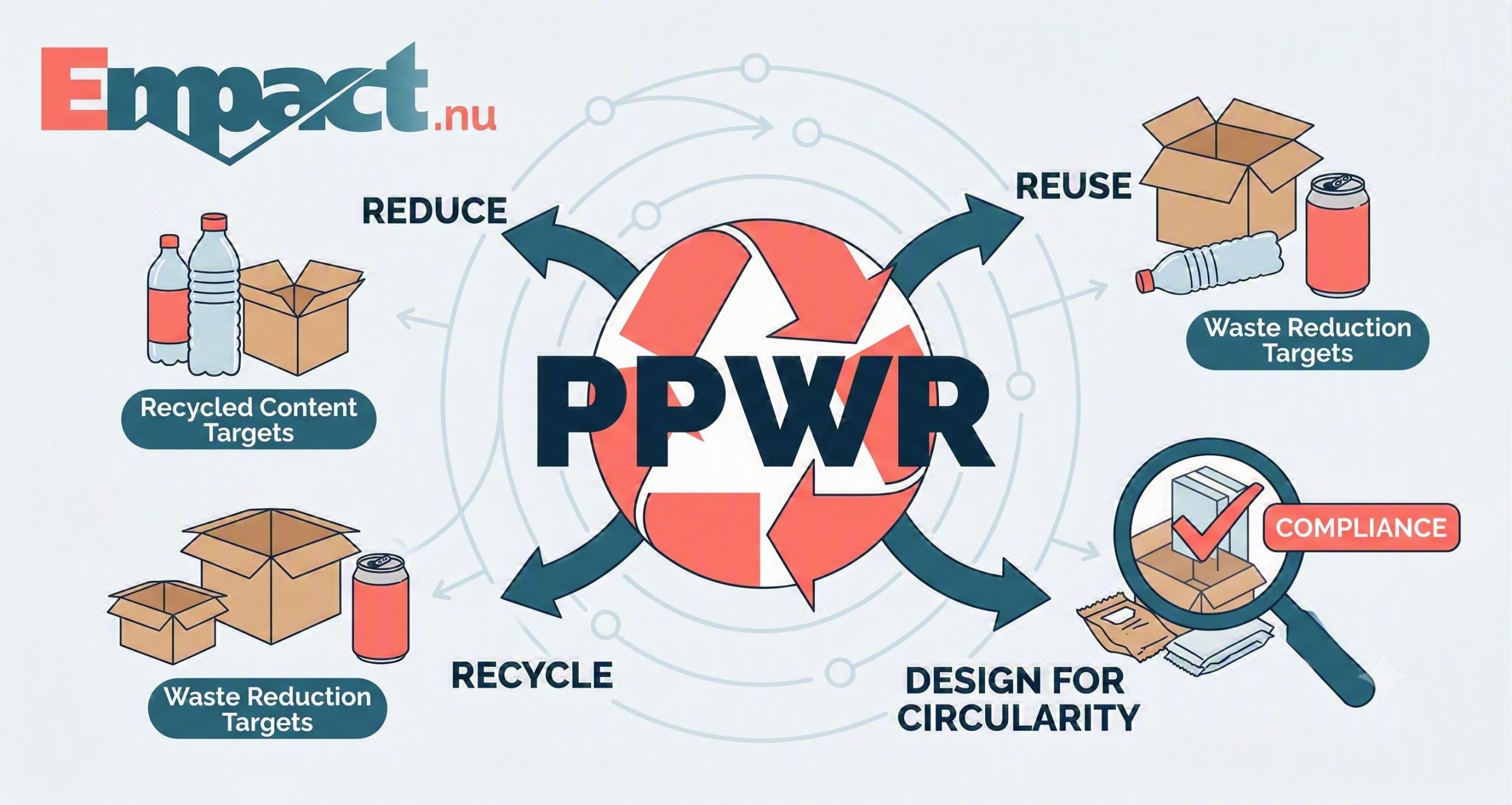
At its core, the new European Packaging Regulation (PPWR) is a circularity law: less material, recyclable, recycled material, and reusable wherever possible. It requires not only that you demonstrate your packaging complies, but that you actually improve it. This also presents an opportunity, because companies that are already using more sustainable packaging will soon be leading the way—with customers, retailers, and lawmakers.
We’ll help you take that step, with a business-oriented approach. Together, we’ll identify your role under the PPWR, determine which of your packaging items will no longer comply, and figure out what changes you need to make. And as always, we’ll ensure that your organization can ultimately manage this on its own.
What the PPWR Requires of You, and When
The PPWR will generally take effect on August 12, 2026. Some of the requirements will apply immediately as of that date, such as the technical documentation, the declaration of conformity, and the rules regarding substances of concern. Other requirements—regarding reuse, recycled materials, and labeling—will be phased in gradually leading up to 2030 and beyond. In this overview article , we explain exactly what the law requires and what deadlines apply. On this page, you can read about what we do for you.
Our approach: understand first, then improve
We envision a two-phase PPWR process. Phase one is preparation: understanding your role, identifying which packaging will no longer meet requirements, and determining what changes you will make. Phase two is implementation: carrying out the redesign, aligning the internal organization accordingly, assigning producer responsibility (UPV), and ensuring traceability. Most of our work is in phase one, because during implementation, we help your organization take on more and more of the work itself.
The redesign discussion always starts with what you already have. Often, that realization comes naturally—for example, when it turns out that a package contains zero percent recycled material, or that no one knows exactly how much.
How We Guide You Through the PPWR
A logical structure that we tailor to your situation:
- Intake and Quick Scan: Where Do You Stand, and What Are Your Biggest Risks?
- Role Determination and UPV Guidance: What is your status under the PPWR? Are you a manufacturer, a producer, or both? Under this law, these are truly two distinct roles, each with its own obligations.
- Gap analysis by packaging: Which packaging will not meet the requirements in the future?
- Redesign and material selection: recyclability, recycled materials, reduced material use, and reuse. This is the sustainable core of the recommendation.
- Roadmap and safeguards: a phased plan leading up to the deadlines.
- Implementation: carrying out the redesign and structuring the organization to ensure it continues to deliver results.
Wherever possible, we’ll link this to your broader sustainability strategy. The focus remains on the PPWR itself: this is a distinct initiative, with a different approach than, for example, the CSRD. The first results are already evident in phase one: raising awareness, a clear overview of roles, and insight into which packaging will eventually fail to comply. The initial process—from intake to roadmap—typically takes a few weeks to a few months, depending on the number of packaging items and the complexity of your product range.
.
What you will get your hands on concretely
- A role overview that clarifies your organization’s responsibilities under the PPWR, covering both product requirements and producer responsibility.
- A gap report for each package listing the components that will not meet the requirements.
- A roadmap with the deadlines and the steps to achieve them.
- Assistance, as needed, in compiling a conformity dossier, including technical documentation and a declaration of conformity.
Where our role ends
We’re upfront about our limitations, so we don’t promise anything we can’t deliver. We don’t handle the UPV registration and reporting ourselves, but we do guide you through the process so you know what to submit and when. The physical redesign and production of your packaging are your responsibility or that of a packaging partner; however, the material and design advice that precedes this is at the heart of what we do. And we’ll work with you to build the compliance dossier.
Why Empact, and not an accountant, lawyer, or packaging supplier?
An accountant audits financial statements, a lawyer interprets the law, and a packaging supplier sells materials. PPWR consulting is something different: a sustainability issue in which roles, choices, and redesign must be considered in context. We work with processes rather than isolated elements, and where relevant, we establish the connection with your other ESG obligations. We focus on sustainability, not just compliance. And we always look at things from a business perspective, because you’ll stick with sustainable choices that make good business sense.
Previous experience with PPWR implementation
For a major electronics conglomerate, we helped the ESG team engage ten business units in the PPWR initiative. Because our client manufactures more than ten thousand different products both within and outside Europe, this was a massive undertaking that could only succeed if the business units themselves took responsibility. That’s where we made a difference: not by taking over the work, but by structuring the organization so that it could handle it on its own.
Read more
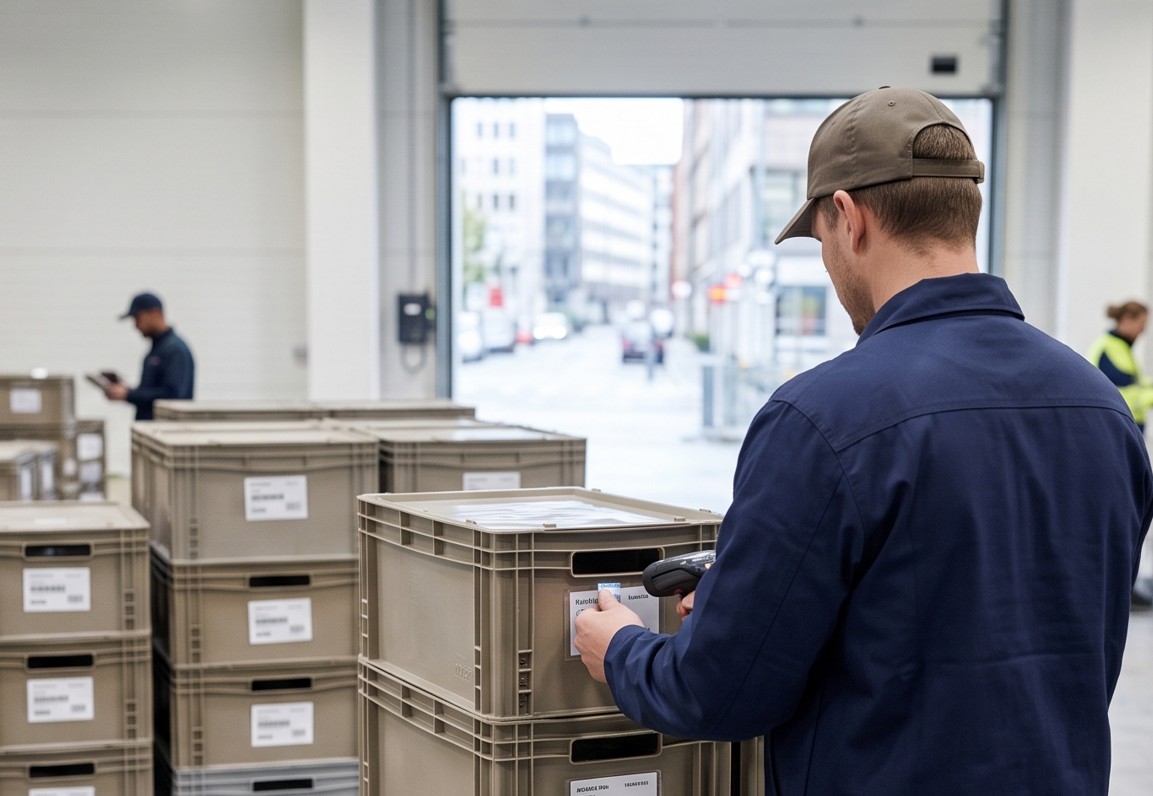
PPWR Deadlines: What Needs to Be Done by When?
The date you keep hearing is August 12, 2026. That makes sense, since the PPWR takes effect on that date. However, that’s not the date

What changes need to be made to your packaging? An overview of the PPWR requirements
Updated on August 19, 2026: the first PPWR requirements took effect on August 12, 2026; this article describes the situation since then. Most articles about
Are you a producer covered by the PPWR? Your role and obligations explained
The same packaging can mean a mountain of obligations for one company and almost nothing for another. The difference isn’t in the packaging, but in
Frequently Asked Questions About the PPWR
Does the PPWR also apply to my business?
Almost certainly, if you place packaged products on the European market, import them, or distribute them. The PPWR applies directly in all EU countries, without the need for transposition into national law, and affects manufacturers, importers, distributors, and online marketplaces. We’ll determine your exact role together during the role assessment.
To which types of packaging does the PPWR apply?
This applies not only to your product packaging. Group packaging and transport packaging are also covered by the PPWR: from the box containing your products to the pallet on which those boxes are placed. Even the strapping that secures the boxes to the pallet counts, as do the labels that are affixed or printed on the packaging.
What is the difference between the PPWR and the PPWD?
The PPWD is the former European Packaging Directive, which has been in effect for years. Each member state has transposed it into its own national legislation, resulting in differences from country to country. The PPWR replaces that directive and applies directly throughout Europe. It also goes significantly further: packaging must soon be demonstrably recyclable, overpackaging will be further restricted, labels and pictograms will be mandatory, and enforcement will be stricter.
What is the difference between the ESPR and the PPWR?
The ESPR is about the environmental performance of your product. The PPWR is about the environmental performance of your packaging.
When do I need to comply with the PPWR?
The regulation will generally take effect on August 12, 2026. Some of the requirements, such as technical documentation, the declaration of conformity, and the rules regarding substances of concern, will already apply as of that date. Other requirements, regarding reuse, recycled content, and labeling, will be phased in gradually through 2030 and beyond.
Do I have to redesign my packaging from scratch?
Not necessarily. We always start with what you already have. Sometimes a package just needs minor adjustments; other times, a redesign is necessary. The gap analysis for each package makes this clear on a case-by-case basis, so you can invest strategically rather than overhauling everything at once.
Getting Started
The sooner you know which packaging won’t meet future standards, the more calmly you can redesign it and the further ahead you’ll be in the market.
Want to know where you stand? Our free PPWR tool will give you an initial overview. And if you’re ready to move from insight to action, we’d be happy to help you figure it out. Contact us for a no-obligation consultation.