
Do you know who made your product? The Forced Labour Regulation is coming
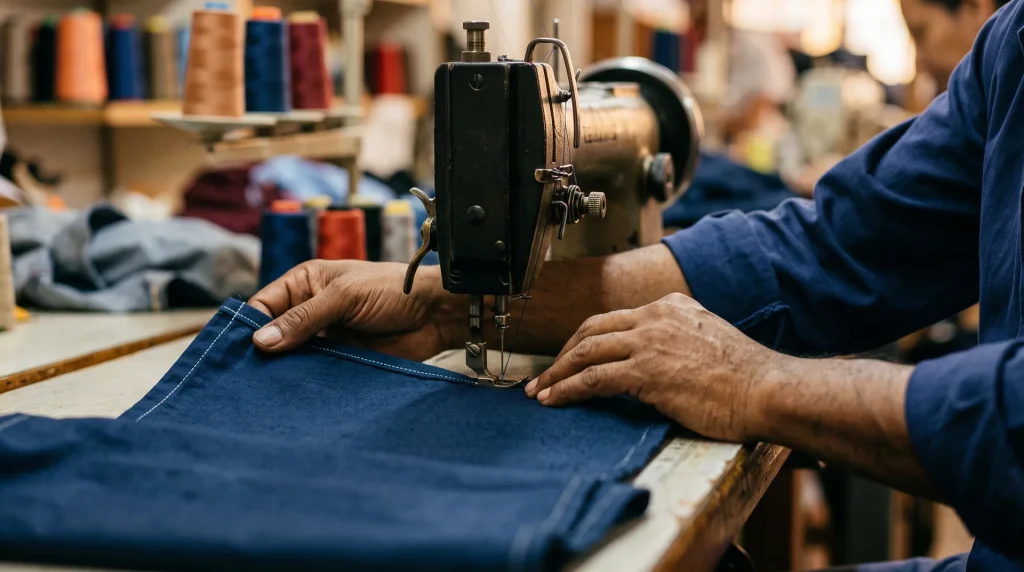
From 14 December 2027, products made with forced labor may not enter the EU. What does the Forced Labour Regulation ask of your chain, and where do you start?
How politically resilient is your climate strategy?
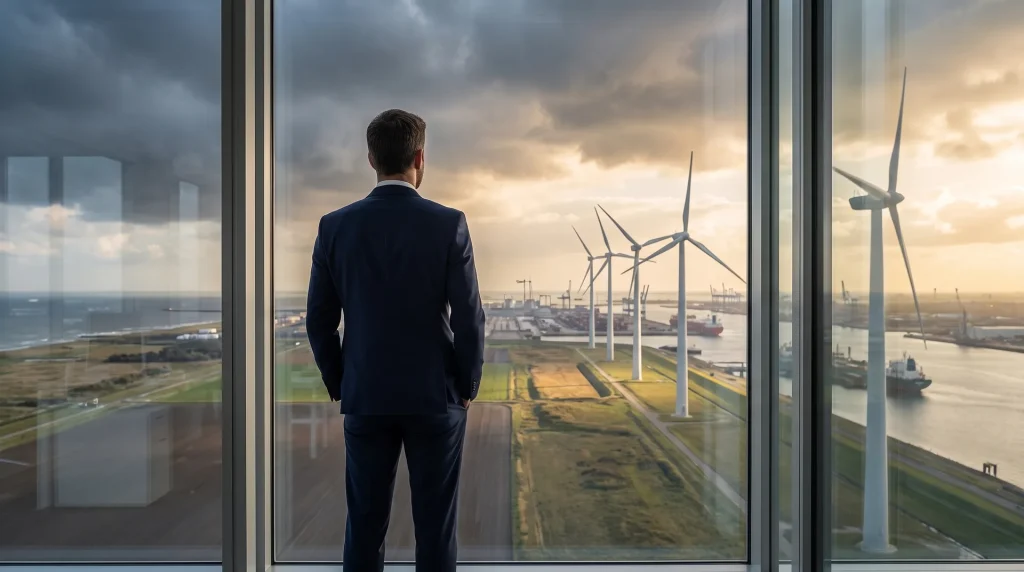
Geopolitics increasingly sets the pace of the energy transition. Four lessons for a climate strategy that survives political shifts.
Right to repair: what manufacturers need to arrange now
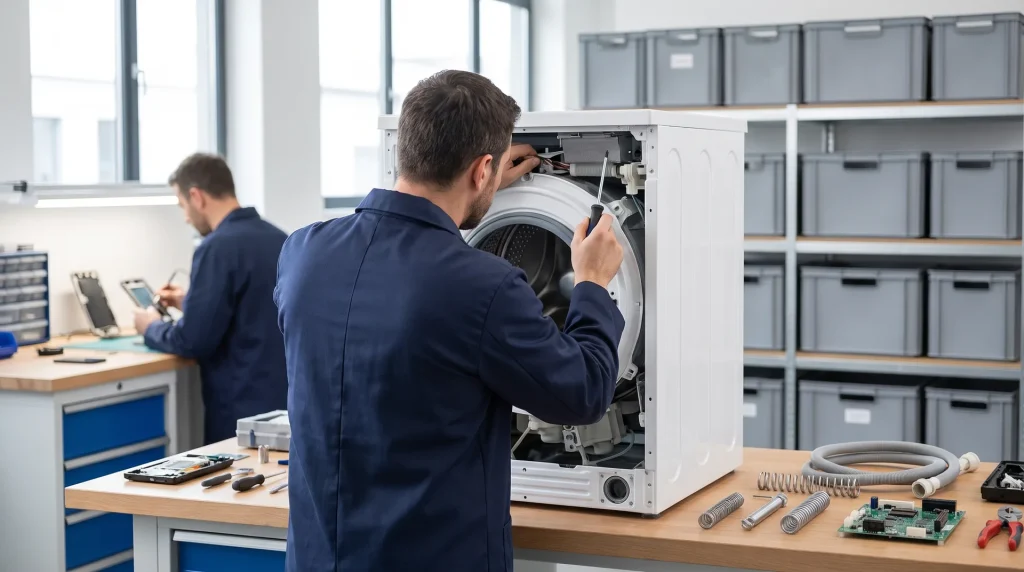
The European right to repair applies since 31 July. What do you need to arrange as a manufacturer and what does the directive mean for your organization?
Ducky Dons Proves That Circular Manufacturing Works: 2025 Impact Report Published
Ducky Dons, a manufacturer of comforters and pillows based in Ermelo, has published its 2025 Impact Report. The report provides an honest and forward-looking picture of the company’s social impact and was prepared in accordance with the principles of the VSME, the European standard for sustainability reporting by small and medium-sized enterprises. Empact collaborated with […]
Do you really know the answers to the questions posed by your largest customers and investors?
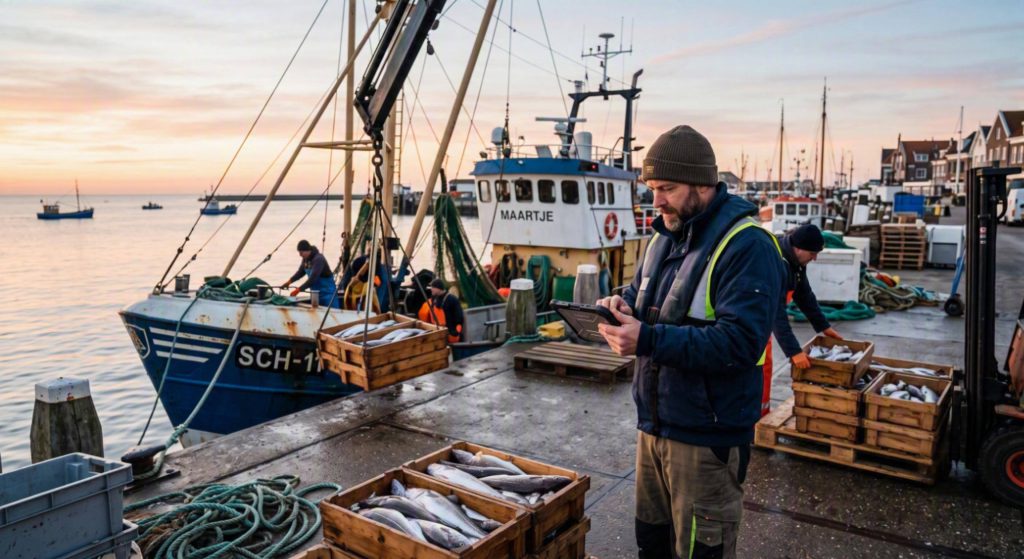
Your customers and investors want to know how your supply chain works. Those who gain control of it will retain their customers and make their business stronger. Anyone who catches, farms, purchases, or processes fish today is familiar with these questions. A customer wants to know about the origin of the fish and the working […]