
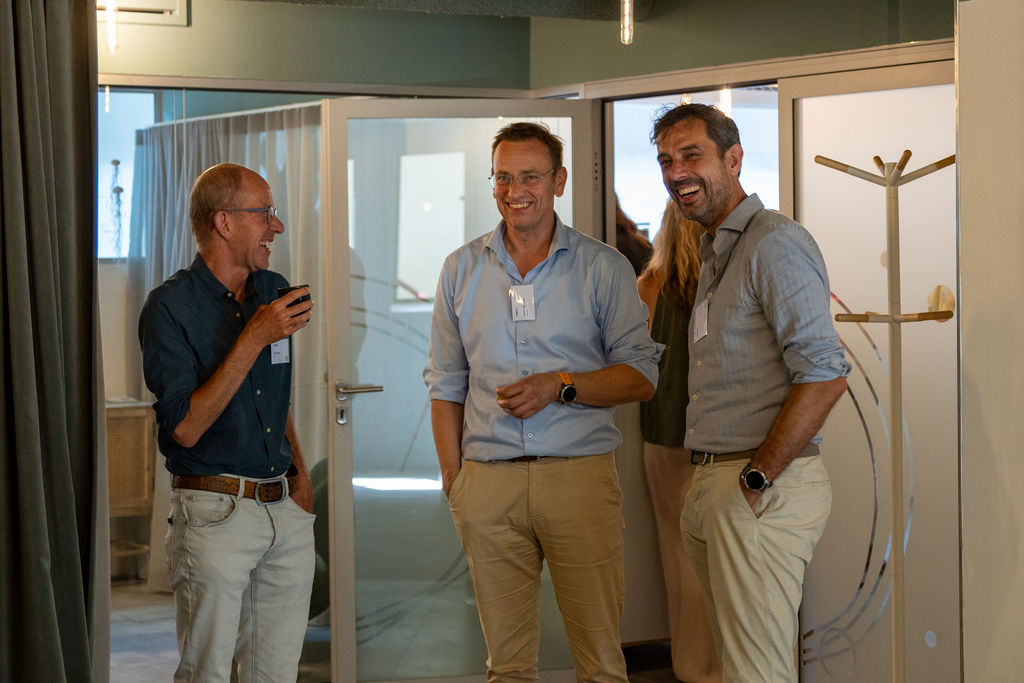
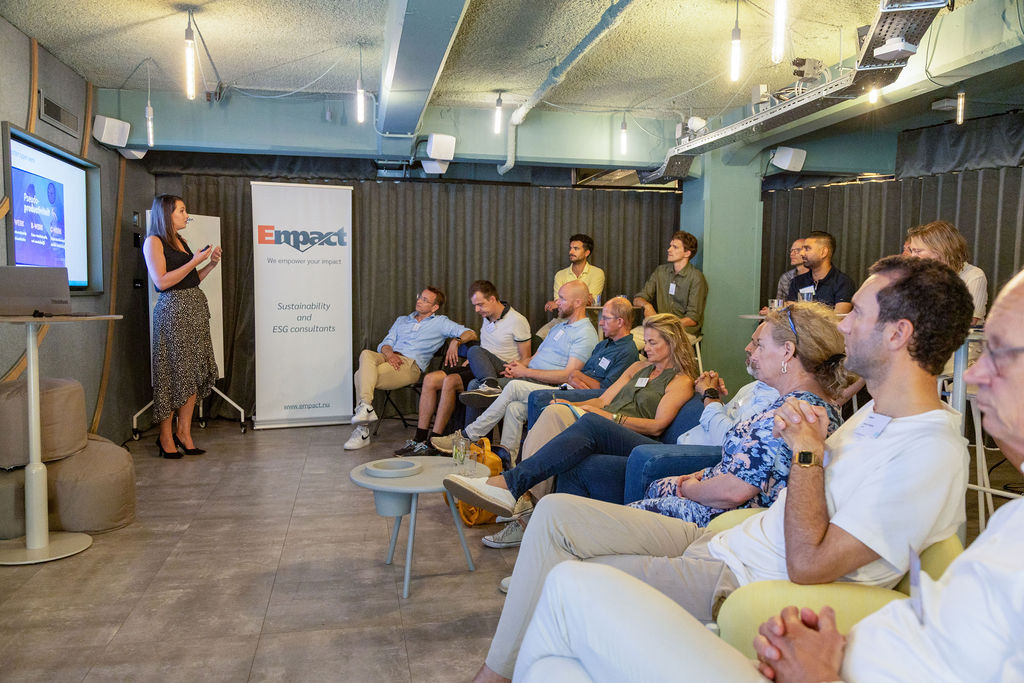
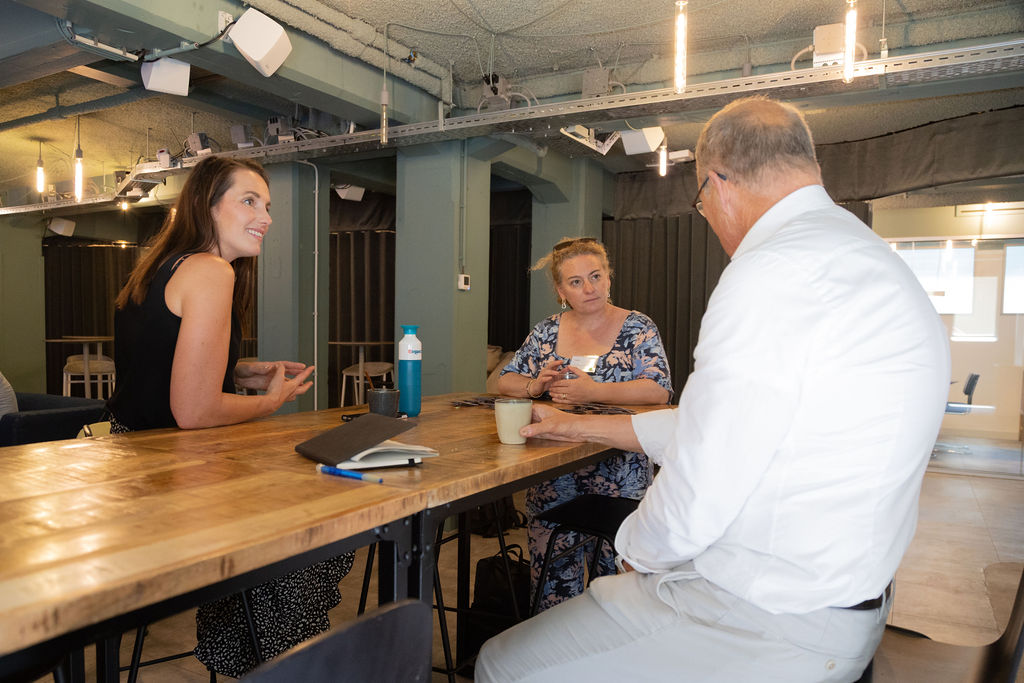
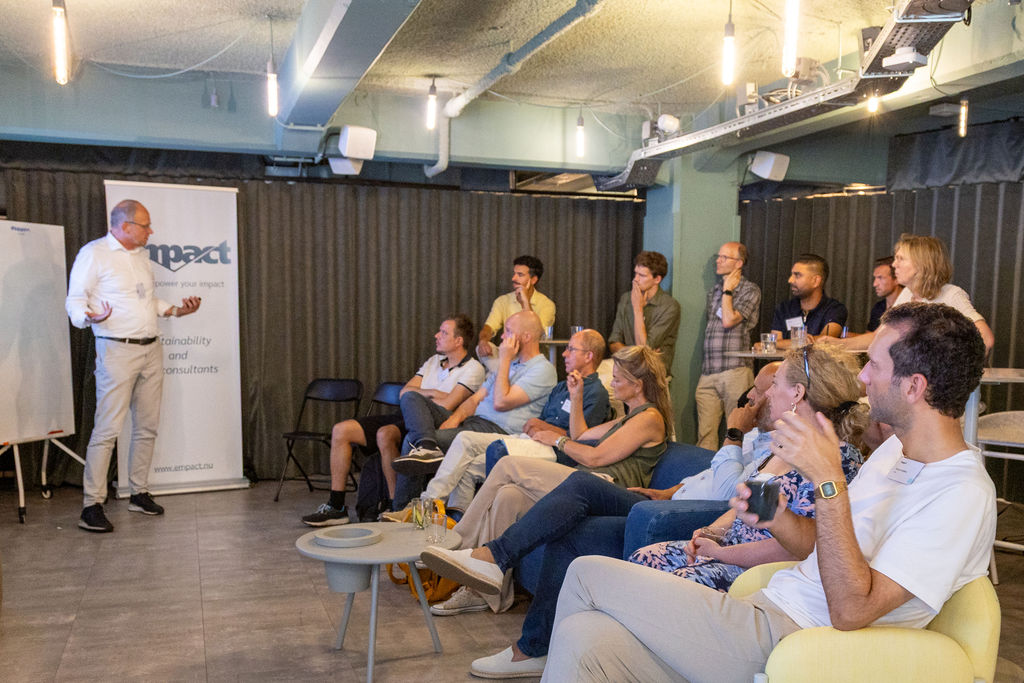
Is AI changing the way we work toward sustainability? With that question in mind, professionals from various sectors gathered on June 24 at Oceans in Haarlem for a new edition of the Empact Impact Circle. It was a small gathering that sparked a big discussion: there were plenty of questions and doubts raised, both about the opportunities presented by AI and its limitations.
One thing stood out. We came together for the technology, but the conversations about people made the biggest impression.
What we fear today, we have feared before as well
Martin de Jong opened with a striking comparison. Almost all the concerns we hear today about AI were echoed almost exactly twenty years ago in discussions about the internet: dependence on technology, power concentrated in the hands of a few major players, privacy, misinformation, and the impact on work. Some of these concerns became reality. And at the same time, the internet proved to be immensely valuable.
That dual perspective is the approach AI calls for today as well: remaining critical while continuing to recognize the opportunities. The European AI Act was introduced as a first step toward responsible use, as was the consideration of the environmental impact of increasingly powerful models.
The role of the ESG manager is shifting
Mark van Loon demonstrated how AI can accelerate much of the work related to reporting, data, and compliance, freeing up time for a more strategic role. The ESG manager of the future will be a director of AI initiatives, a translator of data into insights, and a bridge between sustainability, technology, and business. The same question came up everywhere: Who is responsible for AI, and how do you ensure effective governance?
Keeping up with new sustainability legislation?
EmpCo, CSRD, PPWR, DPP: the rules change fast. In our newsletter we explain what changes, what it means for your organisation and which free tools you can use to check it yourself. A few times a year at most.
Free. Unsubscribe any time.
AI as a Thinking Partner
Using real-world examples, Anne Rademaker demonstrated how AI is evolving from a handy assistant to a thinking partner. The real value lies in complex issues, where humans and AI reinforce each other; for routine questions, AI adds much less value. Think of interpreting laws and regulations, speeding up reporting, Digital Product Passport processes, quickly implementing PPWR legislation, and translating data into concrete actions. Once again, it became clear that technology is rarely the bottleneck. The difference lies in people—and in how you embed AI within the organization.

It’s still up to us
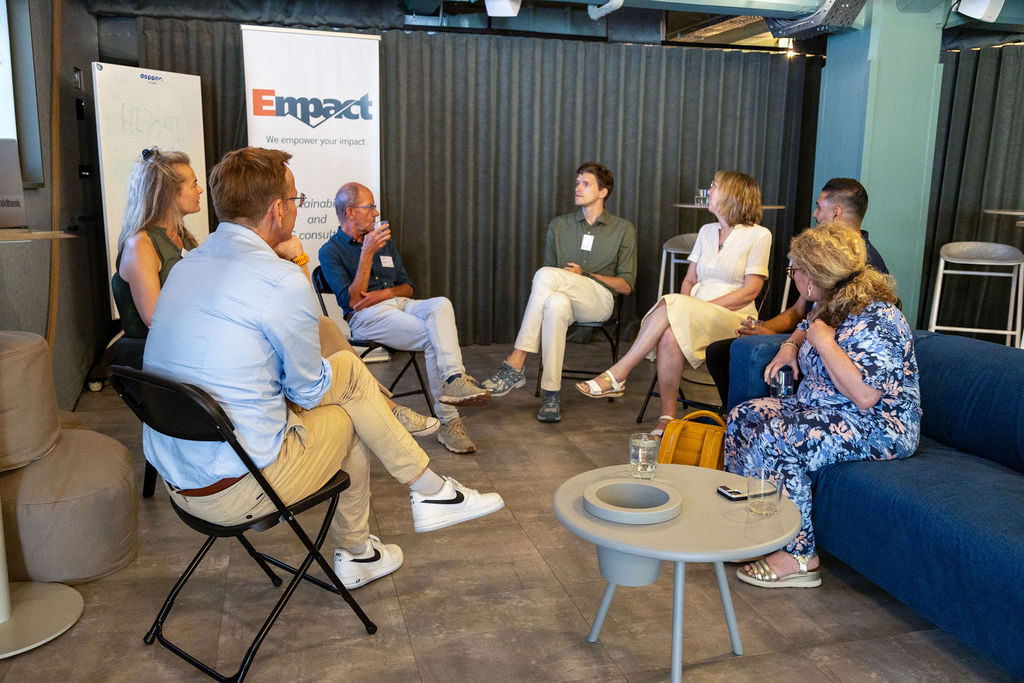
Mildred Hofkes steered the conversation toward good governance in the AI era. Drawing on her model for Collective Stakeholder Intelligence, she asked how we can prevent technology from taking the lead rather than serving as a support. According to her, a sustainable transition will only happen if people reach out to one another. Technology can accelerate and support the process; people determine the direction.
In three breakout sessions, the participants explored this from the perspectives of the individual, the organization, and the value chain. The same balance emerged time and again: AI offers real opportunities for efficiency and analysis, as long as you remain critical of the quality of the results and of reliance on AI.
In conclusion
For most organizations, it’s no longer a question of whether to use AI. The real question is how to use it responsibly and effectively. The speakers agreed on one point: AI and human ingenuity should work together, not compete.